Video sonification in the browser

There were several presentations on the sonification of human body movement at MOCO. This, combined with my recent successes in developing browser versions of both VideoViz and VideoScrub, led me to attempt to revive another old Max patch. Motiongram-based sonification There are many ways of sonifying body motion. Nowadays, we often work with skeleton or marker-based models and advanced synthesis engines. However, two decades ago, I began exploring how to turn motiongrams into sound, treating the motiongram as if it were a spectrogram. I also published a paper on the method in 2012. ...

April 26, 2026 · 3 min · 478 words · ARJ

Video visualisation in the browser

I am at the Movement Computing Conference (MOCO) in Montpellier and have been discussing motion capture and analysis all day. Someone asked about my work on video visualisation, and this reminded me about a long wish for creating a browser-based visualiser. I have been developing video visualisation tools for more than two decades. In the beginning, I did it with Max/MSP/Jitter, then moved on to Matlab, and later Python. Until recently, web technologies were not advanced enough, and hardware was not powerful enough to do anything in the browser in real time. And, I didn’t have the programming skills to make it work. Now, with the help of CoPilot, I have finally made it happen: VideoViz is here! ...

April 24, 2026 · 3 min · 533 words · ARJ

Videograms for Video Navigation

Yesterday, I wrote about some reflections I had during Olgerta Asko’s PhD defence. Today, while chopping up the video recording to put on the RITMO web page, I thought that it might help to use a videogram to assist with segmentation. Videograms A videogram is similar to a motiongram, the main difference being that the videogram uses the regular video image as input to the “compression” instead of a motion video. Both give an impression of what is in a video file over time. We have functions for creating both videograms and motiongrams in the Musical Gestures Toolbox, but they are optimised for using other functions in the toolbox. ...

January 10, 2026 · 3 min · 453 words · ARJ

Using Google NotebookLM to summarize my academic results

I find Google’s NotebookLM to be one of the most powerful tools for researchers these days. Its core function is to work with the material you upload. Hence, it differs from ChatGPT and other tools that invent things on their own or search the web. It also has many different types of reports, including audio and video. But how accurate is it? Testing NotebookLM To test NotebookLM on some material I know very well, I decided to provide it with a collection of public data about myself, more specifically, what I have registered in the Norwegian NVA system, which is the database we use in Norway to register all our academic activities. This includes academic publications, public lectures, artistic works, interviews, etc. In my case, that contains around 1000 entries dating back to 2000. ...

January 2, 2026 · 10 min · 1963 words · ARJ

The Art of Flying

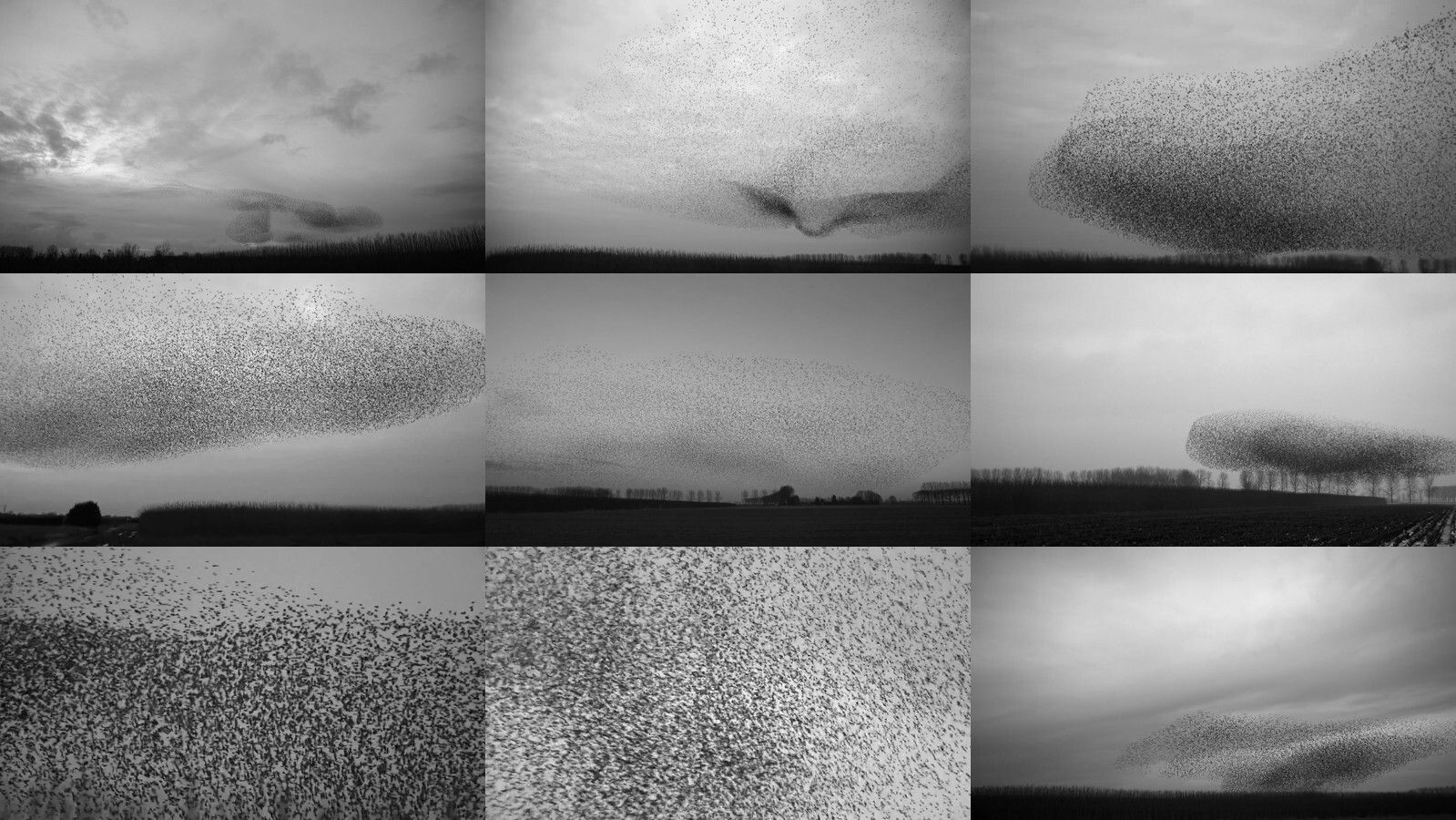
I participated in the conference The Aesthetics of Absence in Music of the Twenty-First Century at the Department of Musicology the last couple of days. Judith Lochhead started her keynote lecture with a clip from the movie The art of flying by Jan van Ijken. This is a beautiful short film based on clips of flocking birds: The art of flying from Jan van IJken on Vimeo. Of course, I wanted to see how some video visualizations would work, so I reached for the Musical Gestures Toolbox for Python. After purchasing and downloading the video, I run a version of ipython, load the toolbox and import the video file: ...

May 26, 2023 · 2 min · 308 words · ARJ

The effect of skipping frames for video visualization

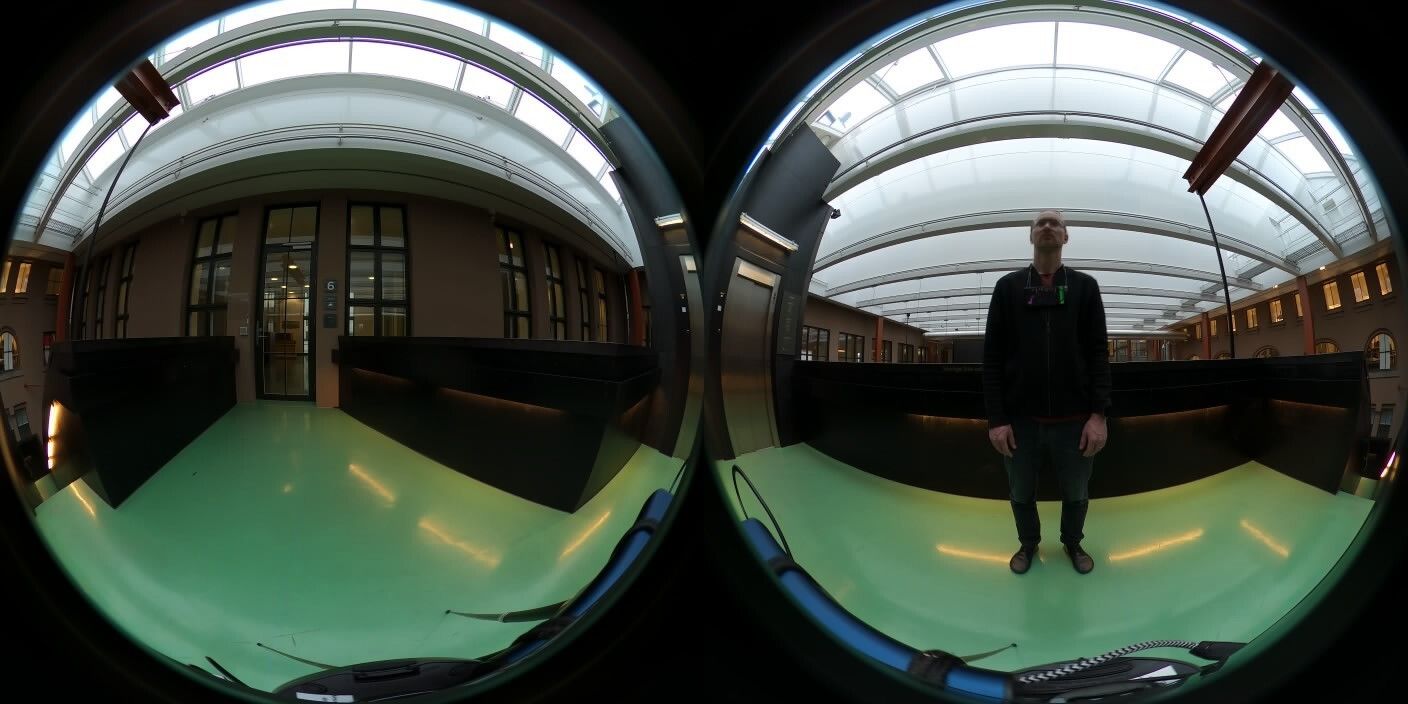
I have been exploring different video visualizations as part of my annual stillstanding project. Some of these I post as part of my daily Mastodon updates, while others I only test for future publications. Most of the video visualizations and analyses are made with the Musical Gestures Toolbox for Python and structured as Jupyter Notebooks. I have been pondering whether skipping frames is a good idea. The 360-degree videos that I create visualizations from are shot at 25 fps. That is on the lower end for capturing fast motion, but is plenty when studying myself standing still or rooms with basically “nothing” going on. Then it certainly makes sense to downsample the video, something that can easily be done in MGT by adding the skip variable when loading a video file: ...

May 20, 2023 · 3 min · 466 words · ARJ

Visualization of Musique de Table

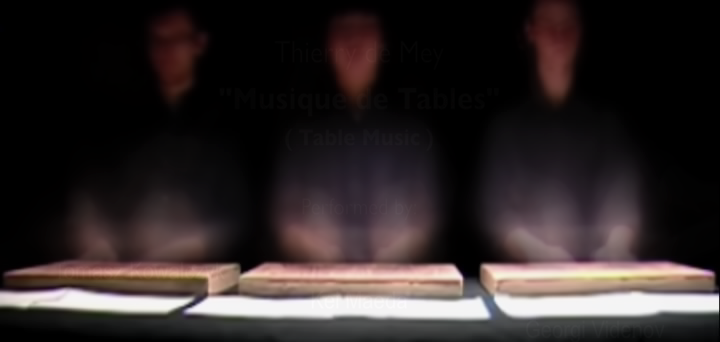
Musique de Table is a wonderful piece written by Thierry de Mey. I have seen it performed live several times, and here came across a one-shot video recording that I thought it would be interesting to analyse: The test with some video visualization tools in the Musical Gestures Toolbox for Python. For running the commands below, you first need to import the toolbox in Python: ...

May 10, 2023 · 2 min · 290 words · ARJ

Video visualizations of mountain walking

After exploring some visualizations of kayaking, I was eager to see how a similar approach could work for walking. On a trip to the Norwegian mountains, specifically at Haugastøl, situated halfway between Oslo and Bergen, I strapped a GoPro Hero Black 10 on my chest and walked up and down a nearby hill called Storevarden. The walk was approximately 25 minutes up and down, and a fast-forward version of the video can be seen here: ...

July 17, 2022 · 2 min · 319 words · ARJ

Try not to headbang challenge

I recently came across a video of the so-called Try not to headbang challenge, where the idea is to, well, not to headbang while listening to music. This immediately caught my attention. After all, I have been researching music-related micromotion over the last years and have run the Norwegian Championship of Standstill since 2012. Here is an example of Nath & Johnny trying the challenge: https://www.youtube.com/watch?v=-I4CBsDT37I As seen in the video, they are doing ok, although they are far from sitting still. Running the video through the Musical Gestures Toolbox for Python, it is possible to see when and how much they moved clearly. ...

January 7, 2022 · 1 min · 179 words · ARJ

Flamenco video analysis

I continue my testing of the new Musical Gestures Toolbox for Python. One thing is to use the toolbox on controlled recordings with stationary cameras and non-moving backgrounds (see examples of visualizations of AIST videos). But it is also interesting to explore “real world” videos (such as the Bergensbanen train journey). I came across a great video of flamenco dancer Selene Muñoz, and wondered how I could visualize what is going on there: ...

December 17, 2021 · 3 min · 440 words · ARJ