Standing still at TEDx

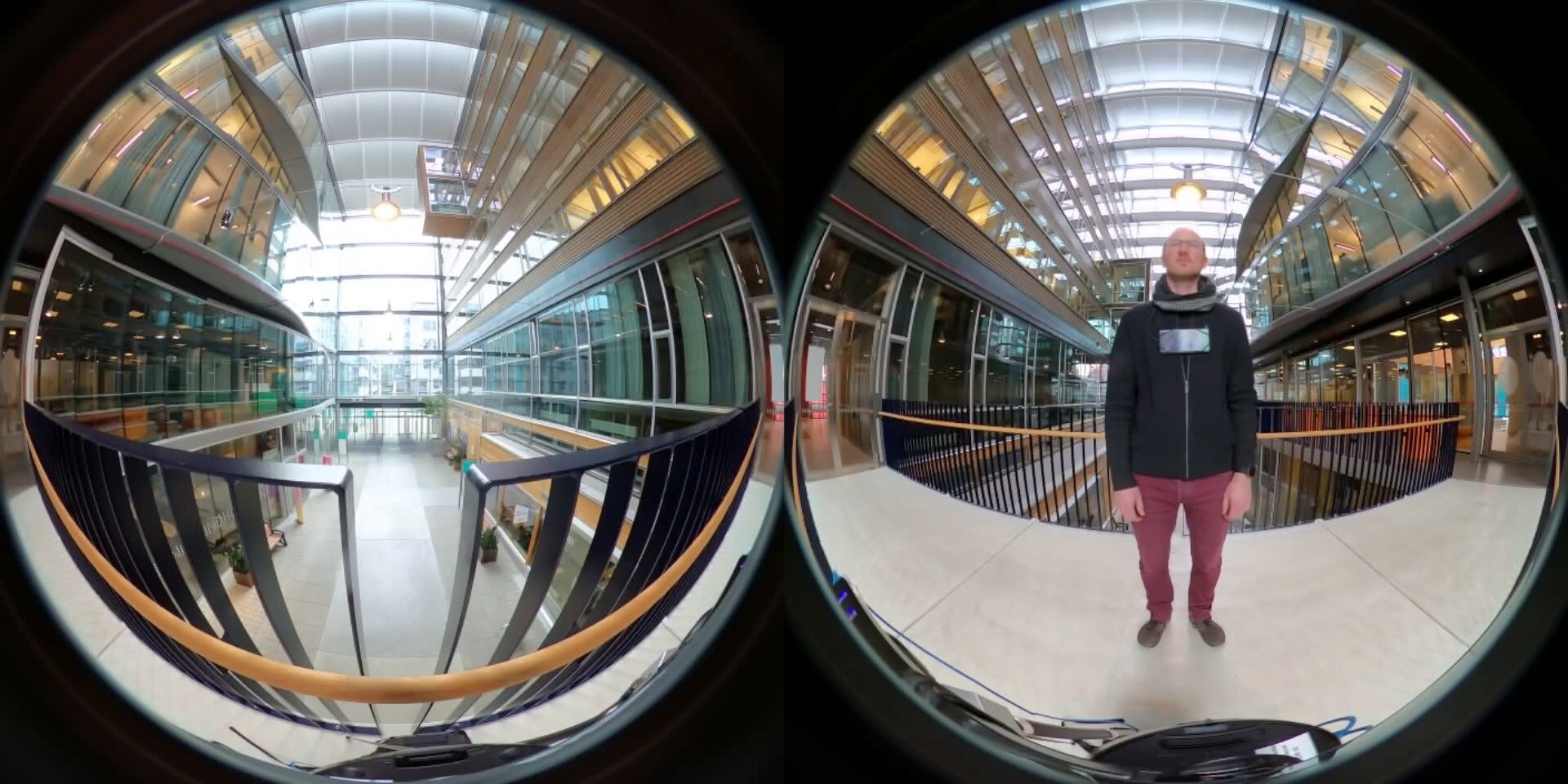
This summer, I got a phone call from TEDx Arendal asking about whether I would like to hold a lecture for this year’s event. Of course, I had to accept! The excitement of being asked turned to awe when they asked me whether I would like to stand still in silence for the whole talk. This request did not come out of the blue. I have spent the last 15 years researching human standstill and have gotten some attention for my stillstanding project last year when I stood still for 10 minutes every day for a year. It was after this stunt that the Norwegian broadcasting company NRK called me Professor Stillstand, as a follow-up to my former nickname of Dr Air Guitar. ...

December 12, 2024 · 3 min · 505 words · ARJ

Professor Standstill

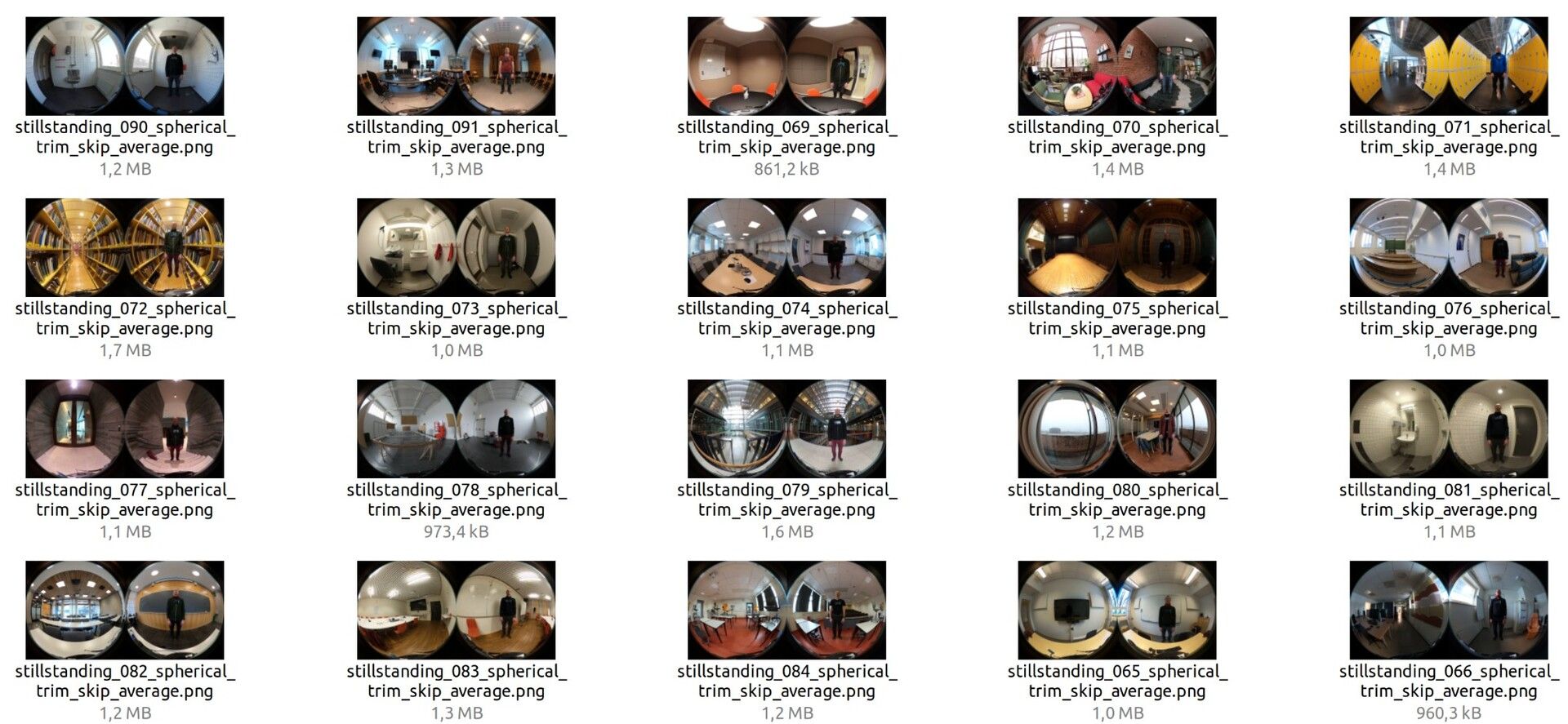
NRK has created a photo report based on my still standing project that I carried out last year. It’s a bit comical that they’ve called me “Professor Stillstand”. When I defended my PhD in 2008, I was actually named Dr Air Guitar. The concept was to stand still every day, for ten minutes, around midday. I recorded motion data using my mobile phone hanging around my neck and heart rate data from my sports watch. I’m now analyzing this data, and it will be included in the book Still Standing that I’m working on. Here’s an overview of all the sessions, one line per month. ...

January 23, 2024 · 2 min · 214 words · ARJ

365 Days of Still Standing

Today is New Year’s Eve, and I have done my 365th standstill of the year. I began my year-long #StillStanding project on 1 January this year, and I am happy to report that I managed to conclude the project as planned! A few days were more challenging than others, but I am pleased I made recordings every day. I wrote a blog post after the first 100 days and a video of the first half year. My reflections today are the same as in those summaries. Now, I am looking forward to writing everything up in my upcoming book, so I will be brief in this blog post. ...

December 31, 2023 · 3 min · 634 words · ARJ

Half a year of standing still

Today, I am halfway through my year-long #StillStanding project. Not so much has changed since I summed up the first 100 days. I still enjoy the experience, and there are new things to learn every day. Here is a 10-minute video I have recorded that presents the project, explains its rationale, and reflects upon some experiences so far: The biggest challenge moving forward is finding new spaces every day. I have already stood in the most accessible spaces, so I need to spend more time looking for unexplored rooms both at the university and close to my home. Follow the project on Mastodon to see how it goes.

July 1, 2023 · 1 min · 108 words · ARJ

100 Days and Still Standing

Today marks the 100th day of my annual #StillStanding project. In this blog post, I summarize some of my experiences so far. Endurance Some people questioned whether I would be able to stand still every single day for an entire year. But, hey, it is only ten minutes (out of 1440) per day, and even though my life as a centre director is busy, it is always possible to find time for a standstill sometime during the day. ...

April 10, 2023 · 11 min · 2240 words · ARJ

Adding Title and Author to PDFs exported from Jupyter Notebook

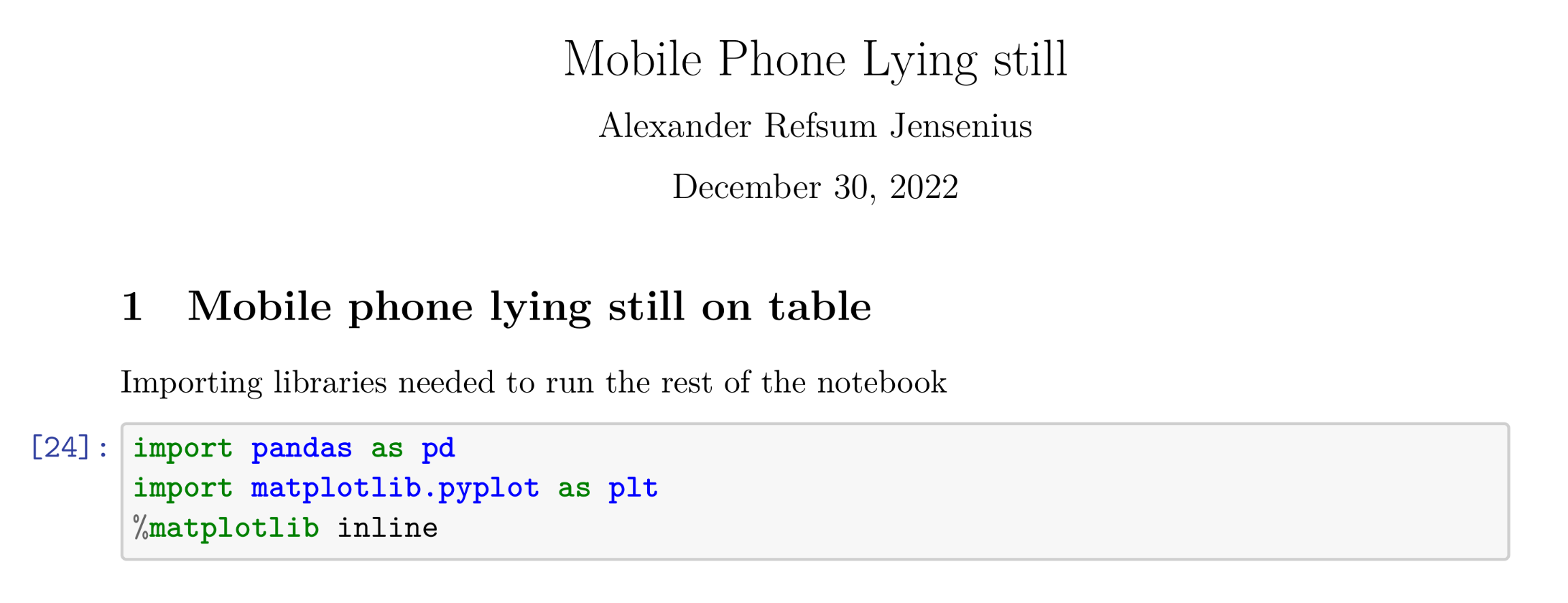
I am doing some end of the year cleaning on my hard drive and just uploaded the Jupyter Notebook I used in the analysis of a mobile phone lying still earlier this year. For some future studies, I thought it would be interesting to explore the PDF export functionality from Jupyter. That worked very well except for that I didn’t get any title or author name on top: ...

December 30, 2022 · 1 min · 127 words · ARJ

Still Standing Manuscript in Preparation

I sent off the final proofs for my Sound Actions book before the summer. I don’t know when it will actually be published, but since it is off my table, I have had time to work on new projects. My new project AMBIENT will start soon, but I still haven’t been able to write up all the results from my two projects on music-related micro-motion: Sverm and MICRO. This will be the topic of the book I have started writing this summer, with the working title Still Standing: Exploring Human Micromotion. ...

August 24, 2022 · 2 min · 226 words · ARJ

Analyzing Recordings of a Mobile Phone Lying Still

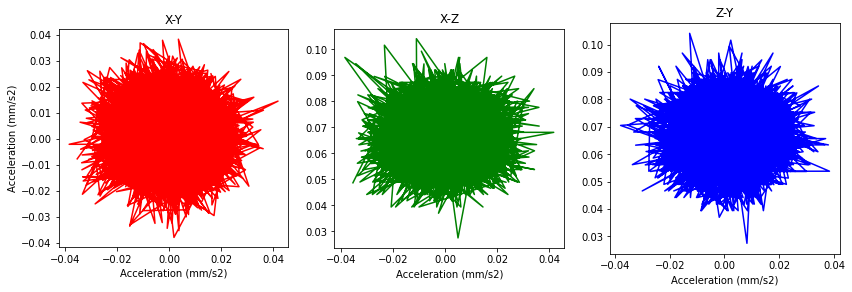
What is the background “noise” in the sensors of a mobile phone? In the fourMs Lab, we have a tradition of testing the noise levels of various devices. Over the last few years, we have been using mobile phones in multiple experiments, including the MusicLab app that has been used in public research concerts, such as MusicLab Copenhagen. I have yet to conduct a systematic study of many mobile phones lying still, but today I tried recording my phone—a Samsung Galaxy Ultra S21—lying still on the table for ten minutes. I did this using the Physics Toolbox Sensor Suite by Vieyra Software. There was no particular reason for choosing this software; it just showed up with high ratings in the app store. ...

August 7, 2022 · 2 min · 238 words · ARJ

Try not to headbang challenge

I recently came across a video of the so-called Try not to headbang challenge, where the idea is to, well, not to headbang while listening to music. This immediately caught my attention. After all, I have been researching music-related micromotion over the last years and have run the Norwegian Championship of Standstill since 2012. Here is an example of Nath & Johnny trying the challenge: https://www.youtube.com/watch?v=-I4CBsDT37I As seen in the video, they are doing ok, although they are far from sitting still. Running the video through the Musical Gestures Toolbox for Python, it is possible to see when and how much they moved clearly. ...

January 7, 2022 · 1 min · 179 words · ARJ

New article: Correspondences Between Music and Involuntary Human Micromotion During Standstill

I am happy to announce a new journal article coming out of the MICRO project: Victor E. Gonzalez-Sanchez, Agata Zelechowska and Alexander Refsum Jensenius Correspondences Between Music and Involuntary Human Micromotion During Standstill Front. Psychol., 07 August 2018 | https://doi.org/10.3389/fpsyg.2018.01382 Abstract: The relationships between human body motion and music have been the focus of several studies characterizing the correspondence between voluntary motion and various sound features. The study of involuntary movement to music, however, is still scarce. Insight into crucial aspects of music cognition, as well as characterization of the vestibular and sensorimotor systems could be largely improved through a description of the underlying links between music and involuntary movement. This study presents an analysis aimed at quantifying involuntary body motion of a small magnitude (micromotion) during standstill, as well as assessing the correspondences between such micromotion and different sound features of the musical stimuli: pulse clarity, amplitude, and spectral centroid. A total of 71 participants were asked to stand as still as possible for 6 min while being presented with alternating silence and music stimuli: Electronic Dance Music (EDM), Classical Indian music, and Norwegian fiddle music (Telespringar). The motion of each participant’s head was captured with a marker-based, infrared optical system. Differences in instantaneous position data were computed for each participant and the resulting time series were analyzed through cross-correlation to evaluate the delay between motion and musical features. The mean quantity of motion (QoM) was found to be highest across participants during the EDM condition. This musical genre is based on a clear pulse and rhythmic pattern, and it was also shown that pulse clarity was the metric that had the most significant effect in induced vertical motion across conditions. Correspondences were also found between motion and both brightness and loudness, providing some evidence of anticipation and reaction to the music. Overall, the proposed analysis techniques provide quantitative data and metrics on the correspondences between micromotion and music, with the EDM stimulus producing the clearest music-induced motion patterns. The analysis and results from this study are compatible with embodied music cognition and sensorimotor synchronization theories, and provide further evidence of the movement inducing effects of groove-related music features and human response to sound stimuli. Further work with larger data sets, and a wider range of stimuli, is necessary to produce conclusive findings on the subject.

August 7, 2018 · 2 min · 387 words · ARJ