an old printing press

Adding the Arts to the Coauthorship Exercise

Today, we will have a workshop with the MishMash work package leaders, and for that I thought it would be useful to run a new version of the RITMO coauthorship exercise. The goal is to make contribution expectations explicit early, and to practice making fair decisions when contributions differ in type, timing, and visibility. Since MishMash embraces both artistic and scientific research and development, this version is designed for teams working across arts, humanities, social sciences, natural sciences, design, and engineering. ...

June 3, 2026 · 3 min · 497 words · ARJ

Building a NOR-CAM CV for Alexander Refsum Jensenius

I have previously explored how NotebookLM can generate ERC-style CVs based on publicly available research information. Now, I was curious to see whether it could also make a complete CV following the guidelines of the Norwegian Career Assessment Matrix (NOR-CAM). The NOR-CAM principles Creating a CV that follows the NOR-CAM principles is less about listing dates and more about telling the story of an academic career through a balance of quantitative data and qualitative reflection. If you are interested in learning more about NOR-CAM, have a look at the full report. Here is a 4-minute video introduction to the system: ...

April 21, 2026 · 5 min · 986 words · ARJ
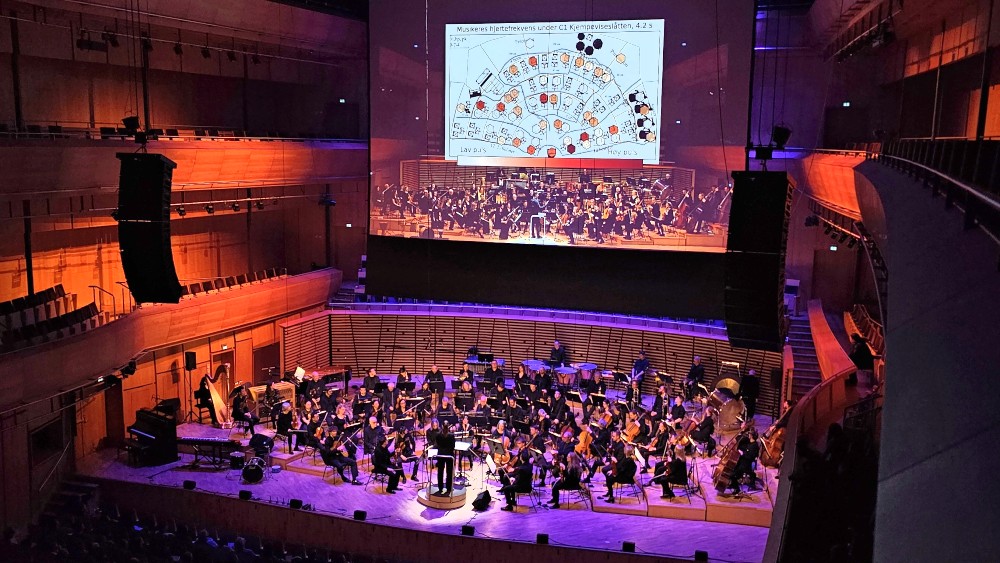
Preparing to speak in front of a 500-person audience at NARMA with MishMash deputy director Ida Jahr and administrative coordinator Eskul Muan Sæther.

Creating an ERC-style CV with NotebookLM

While part of the group that developed the Norwegian Career Assessment Matrix (NOR-CAM), I strongly advocated for the development of an “automagic” CV system. This was based on the fact that I (and many other researchers) spend too much time working on formatting our CVs for new templates. All funders have their own CV templates, which often change from year to year. Copying and formatting the same information over and over is (literally) a waste of time, so there is room for improvement. ...

March 18, 2026 · 5 min · 879 words · ARJ

Hyperscanning with fNIRS

Today, we had an engaging fNIRS workshop at RITMO. One of the tasks we explored was “hyperscanning,” a term that confused several of the non-psychology people present. I was also bewildered when I encountered this term for the first time, so here is a short blog post to explain what it is. What is Hyperscanning? The short answer is that hyperscanning is the simultaneous recording of neural or physiological activity from two or more people to study interpersonal brain dynamics. ...

January 15, 2026 · 3 min · 548 words · ARJ
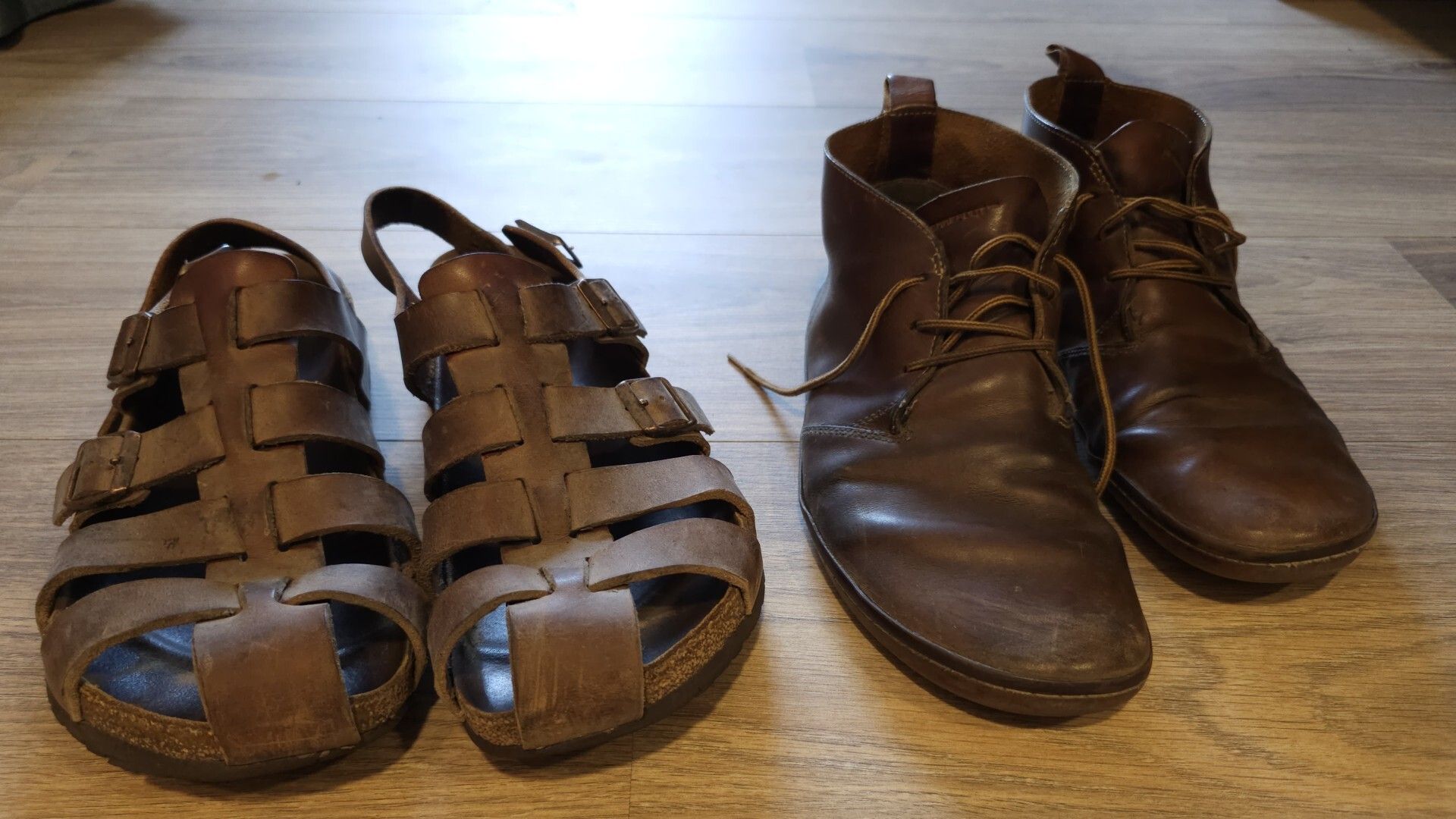
Tom Sachs’s Model Thirty-Six (2014), experimental stereos that challenge the established notions of form and function, in the collection of San Francisco Museum of Modern Art.

Integrating Musicology, Psychology, and Technology in Education

One of my main goals while teaching MUS2640 – Sensing Sound and Music last semester was the integration of perspectives from musicology, psychology, and technology. The main point is to introduce the basics of music psychology and music technology, two disciplines that are quite distinct in most places, but which we at the University of Oslo have a tradition of combining. In this post, I explain the rationale. Three “logies” One of my main arguments is that we should consider the three “logies” involved in this course: ...

January 13, 2026 · 8 min · 1535 words · ARJ
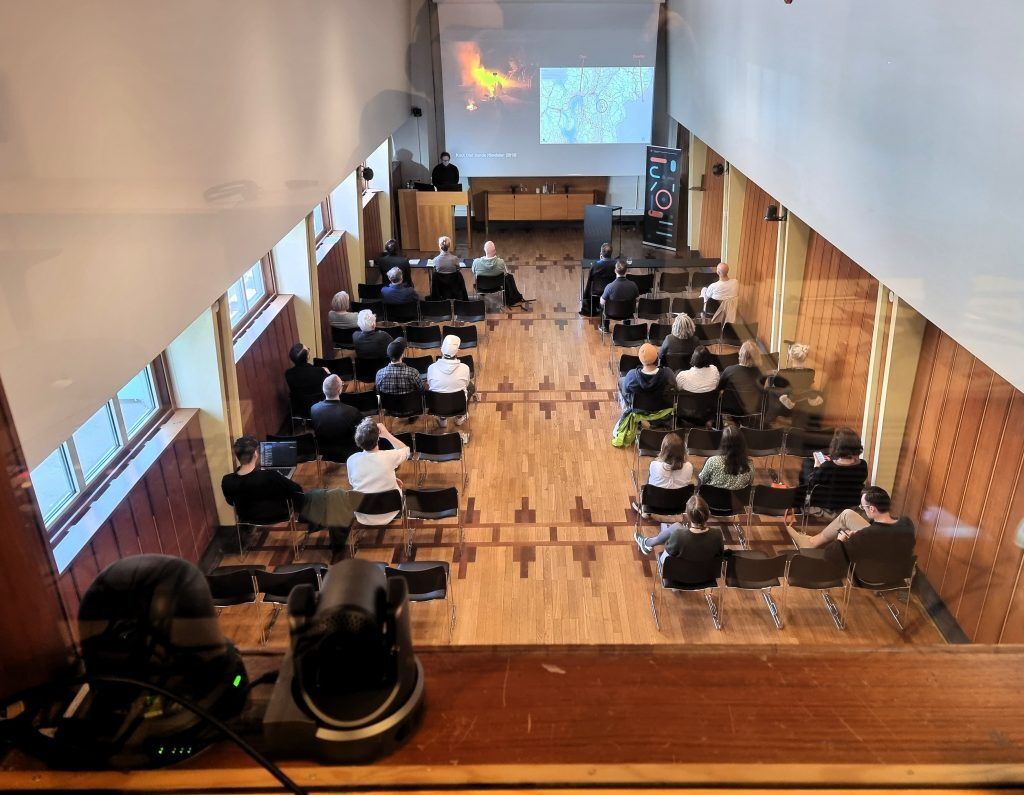
Outside the magnificent main building of University of Coimbra.

RITMO – A coffee machine centre

I have visited the Center for Interdisciplinary Studies at the University of Coimbra over the last couple of days. During two packed days, I got to hear exciting presentations by various researchers, present how we work at RITMO, and engage in lively discussions about how best to organise interdisciplinary research activities. The “coffee machine” philosophy Many people are curious about how we run RITMO, which brings together around 60 researchers from musicology, psychology, and informatics to interact on a daily basis. There are not many centres around that are as “radically” interdisciplinary as us, to use a term commonly used by the Research Council of Norway to describe research activities crossing between the arts and humanities and the social and natural sciences. ...

January 13, 2026 · 3 min · 477 words · ARJ

Videograms for Video Navigation

Yesterday, I wrote about some reflections I had during Olgerta Asko’s PhD defence. Today, while chopping up the video recording to put on the RITMO web page, I thought that it might help to use a videogram to assist with segmentation. Videograms A videogram is similar to a motiongram, the main difference being that the videogram uses the regular video image as input to the “compression” instead of a motion video. Both give an impression of what is in a video file over time. We have functions for creating both videograms and motiongrams in the Musical Gestures Toolbox, but they are optimised for using other functions in the toolbox. ...

January 10, 2026 · 3 min · 453 words · ARJ

From Generalisation to Deliberation

Today, we had the PhD defence of Olgerta Asko at RITMO. Her research is super interesting in itself (check out this feature story for an overview). This blog post is following up on one of the points she made during her trial lecture that I hadn’t thought about before: the difference between generalisation, inference, and deliberation. Towards deliberation Olga argued that current AI—here understood as large language models (LLMs)—are based on generalisation. They extract patterns from a lot of data and apply them broadly. As we have seen with recent commercial products and as I have explored in many ways on this blog, LLMs excel at this task. ...

January 9, 2026 · 5 min · 932 words · ARJ

The History and Future of AI

Due to MishMash, I am nowadays lecturing on AI, music, and creativity several times a week. I usually include a brief overview of machine learning history, mainly to explain that ChatGPT didn’t come out of nowhere but was the result of decades of research. To check that my story holds and to get a few more critical years and names in place. This blog post summarizes the brief history of AI to date. ...

January 3, 2026 · 10 min · 2092 words · ARJ

Using Google NotebookLM to summarize my academic results

I find Google’s NotebookLM to be one of the most powerful tools for researchers these days. Its core function is to work with the material you upload. Hence, it differs from ChatGPT and other tools that invent things on their own or search the web. It also has many different types of reports, including audio and video. But how accurate is it? Testing NotebookLM To test NotebookLM on some material I know very well, I decided to provide it with a collection of public data about myself, more specifically, what I have registered in the Norwegian NVA system, which is the database we use in Norway to register all our academic activities. This includes academic publications, public lectures, artistic works, interviews, etc. In my case, that contains around 1000 entries dating back to 2000. ...

January 2, 2026 · 10 min · 1963 words · ARJ