
Data, Metadata and Paradata

I have had some interesting discussions about what constitutes metadata these days. What is really the difference between metadata and data? While participating in ESOF today, I came across the term paradata, which was new to me. What is that, and how does it differ from data and metadata? Data Data refers to raw facts, observations, measurements, or representations of information in various formats, such as numbers, text, images, audio, or video. It is the foundation of knowledge and is essential for making informed decisions, conducting research, and gaining insights across various domains. ...
June 13, 2024 · 4 min · 775 words · ARJ

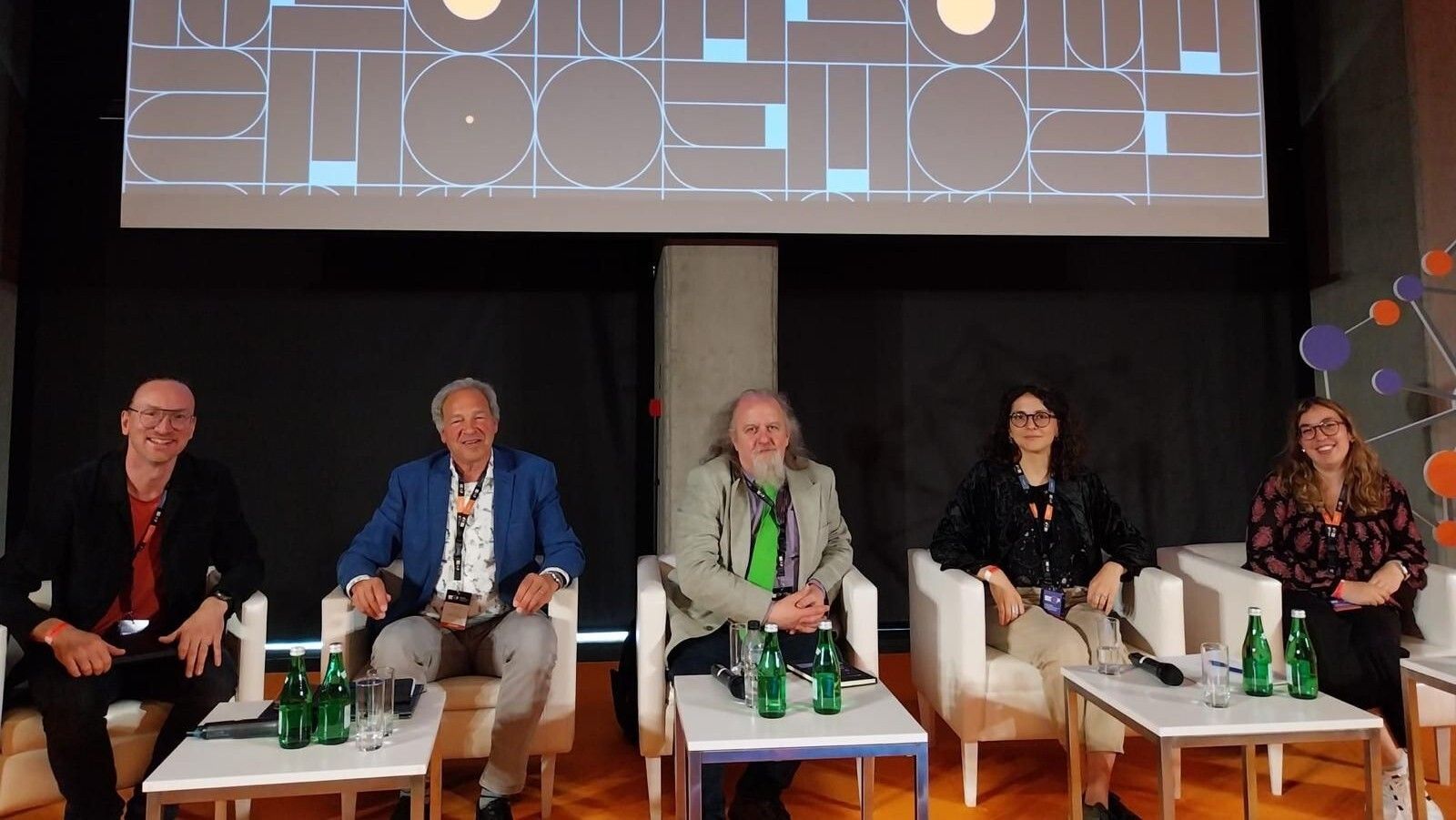
New research data careers

There is an increasing focus on making data openly available, or at least archived according to the FAIR principles. This has also led to the need for more knowledge and skills in data management at all levels. For some, this is becoming a career path on its own. That was the topic of the panel session “Fostering the emergence of new research data careers” I moderated at EuroScience Open Forum (ESOF2024) in Katowice, Poland, today. ...

June 13, 2024 · 2 min · 309 words · ARJ

Data Born FAIR

At the last meeting of EUA’s Open Science Expert Group, we discussed the need for data to be “born” FAIR. What does that entail? FAIR data Just a recap: For data to be openly available (what is often called Open Data), they also need to be FAIR, which stands for Findable, Accessible, Interoperable, and Reusable. However, not all FAIR data needs to be open. At RITMO, we often find that we need to protect data due to copyright and/or privacy reasons. Still, we try to make as much as possible of our data openly available. Other times, we try to make some aggregated data available to support the conclusions in papers. ...

May 23, 2024 · 3 min · 509 words · ARJ

Copyright Challenges in the Transition to FAIR Research Data

Over the past few years, I have participated in the Copyright Working Group of the QualiFAIR competence hub at the University of Oslo. This post highlights our main findings and recommendations for managing copyright in the context of FAIR research data. About QualiFAIR QualiFAIR addresses how qualitative, context-sensitive, and personally identifiable data can be archived and shared in line with the FAIR principles (Findable, Accessible, Interoperable, Reusable). The hub brings together academic and technical-administrative staff from diverse disciplines, including anthropology, political science, medicine, linguistics, psychology, musicology, theology, and education. ...

March 18, 2024 · 2 min · 302 words · ARJ

How to import TSV file in MS Excel

I often export data from Matlab into TSV files for students and collaborators to use in other programs. It is not entirely straightforward to open these files in MS Excel, so here is a series of screenshots of how to do it. There are two tricks to make it work: [Remember to use “tab” as the delimiter between columns]{style=“line-height: 13px;”} On Norwegian and other systems that use “comma” as decimal separator, it is necessary to specify that the TSV file contains values with “dot” as the decimal separator. ...

June 28, 2013 · 1 min · 97 words · ARJ